Yiwu Market District 4 Guide
Socks, shoes, everyday goods and underwear — floors, sample checks and a practical buying route.
What can you buy in District 4?
Yiwu Market District 4 is a starting point for socks, leggings, everyday goods, gloves, hats, shoes, towels, underwear, belts and scarves. Choose the relevant floor, then compare measured sizes, materials, color assortments and packaging before collecting prices.
District 4 floor directory
The category directory follows the official Chinagoods District 4 introduction. The checks are Lance editorial buying guidance.
| Floor | Main product areas | What to check |
|---|---|---|
| 1F | Socks and leggings | Measured sizing, composition, construction and pack unit |
| 2F | Everyday goods, gloves, hats and other knitted or cotton goods | Dimensions, materials, fit and included components |
| 3F | Shoes, threads and tapes, lace, ties, yarn and towels | Size range, specification, color references and sale unit |
| 4F | Bras and underwear, belts and scarves | Size chart, composition, finish and variant minimums |
| 5F | Manufacturers’ direct-sales center and tourism shopping center | Relevant supplier, wholesale terms and production capabilities |
What to check in each product area
Textile products that look alike can differ in composition, weight, measurements and finishing. A label such as “one size” or “cotton” leaves important questions unanswered. Bring a size chart or reference sample and ask suppliers to quote the same version and assortment.
Socks and leggings: define the size and construction
For socks, record foot and leg measurements, cuff construction, stated fiber composition and any cushioning. Inspect the toe seam, heel shaping and elastic recovery. Ask whether the display pair and the bulk order use the same yarn and knitting specification.
For leggings, record waist, hip, rise and leg measurements using an agreed method. Check seams, fabric thickness and the waistband. Ask what size range a “one size” product is intended to cover, and request actual measurements instead of converting it into your own size system without checking.
Confirm whether the quoted price is per pair, multipack or another unit. Record the colors in a pack and whether the minimum applies per design, size or color. Keep any branding, backing card or individual bag separate in the quotation.
Hats and gloves: compare fit and finishing
For hats, record head circumference, crown and brim dimensions, material and adjustment method. Inspect the lining, seams and fastening. For knitted styles, compare the sample’s weight and stretch with the quoted specification rather than judging only the color.
For gloves, check finger and palm measurements, lining and any cuff or fastening. State the intended use and record claimed features separately from your observations. Ask for supporting product details if a feature matters to the buyer. Specify which sizes and colors can be mixed and whether the price includes individual retail packaging.
Everyday goods: identify the actual sale configuration
The everyday-goods category covers varied items, so start with a specific product brief. Record dimensions, material, included parts and intended use. Open a set or pack and count the components; do not assume the display accessories are included.
Check closures, edges and assembly points where relevant. Ask to see the proposed packing and how the goods are protected from scratching or deformation. If your item has particular performance or documentation requirements, discuss the exact product rather than accepting a general supplier assurance.
Shoes: agree on a size run before comparing prices
Record style number, upper material, lining, sole construction and measurements using the supplier’s agreed method. Inspect stitching, bonding, fastenings and the finish inside the shoe. Ask for samples across the sizes you intend to buy; one display size does not establish the fit of the whole range.
Write out the order split by size and color. Confirm whether the supplier has a required size ratio and whether your assortment changes the price or minimum. Ask whether the quote includes a shoe box, inserts or only a bag. Carton quantities and packing can differ between boxed pairs and unboxed pairs.
Towels: measure size, weight and construction
Record finished dimensions, weight per piece, stated composition, weave or pile construction and edge finishing. Ask how the supplier describes the fabric weight and which measurement relates to the quoted sample. A folded display can conceal differences in size or weight.
If absorbency, color retention or washing performance matters to your range, agree how samples will be evaluated before ordering. Record those results alongside the approved reference. Clarify whether the price includes a plain towel, embroidered logo, label or gift pack, and ask for packing details for the final version.
Threads, tapes, lace and yarn: make the unit unambiguous
For lace or tape, record width, construction, composition and approved color. For yarn and thread, ask for the supplier’s exact specification and packaging format. Bring a matching reference if the material needs to work with a garment or existing production process.
Ask whether the quote is per meter, roll, cone, kilogram or another unit, and how much material each pack contains. Clarify whether the minimum is per color or dye batch. Keep an approved physical color sample where possible; a phone photo helps identify a shade but should not be the only basis for an exact color match.
Underwear: approve measurements and the assortment
Use a measurement sheet for each style and size. Record stated composition, lining, elastic, straps, fastenings and construction details as applicable. For bras, confirm the supplier’s band and cup conventions instead of assuming the printed size matches your destination range.
Inspect seams, trims and the finish of a sale-unit sample. Agree how fit samples and size grading will be reviewed, and keep any revisions linked to the final quotation. Confirm the quantity by style, size and color, as well as which labels and packaging are included.
Belts, scarves and ties: specify finish and dimensions
For belts, record strap length, width, material, buckle and adjustment method. Check hole placement and how the buckle is fixed. Ask whether the same buckle, backing and finish will be used in the bulk order.
For scarves and ties, record finished dimensions, composition, lining where applicable, print or weave and edge finish. Ask whether the design is ready stock or requires production. Keep changes to artwork, color, fringe or retail packaging visible as separate quote options.
Choose a route around your buying list
Start with the category that needs the most sample discussion. These are suggested buying sequences, not timed walking routes. Confirm addresses before moving between floors or meeting a manufacturer.
| Your priority | Start with | Next step |
|---|---|---|
| Socks and leggings | 1F: compare measurements and construction | Confirm the size and color split, pack unit and approved sample. |
| Hats, gloves or everyday goods | 2F: inspect the exact item or set | Resolve fit, included parts, branding and retail packing. |
| Shoes, towels or textile components | 3F: match your specification | Confirm size runs, material units and color references. |
| Underwear, belts or scarves | 4F: compare dimensions and variants | Arrange sample approvals and quote your actual assortment. |
Add a 5F stop when you have a relevant supplier to meet. Verify who produces the goods, what can be customized and who will fulfill the order. A direct-sales label does not establish that every display item is made by that business or that its offer is the lowest.
Use a first pass to shortlist products and a second pass to close the gaps in your records. For zippers, buttons and other garment accessories, see the District 3 guide. For bags and umbrellas, see District 2. Return to the district overview when planning the wider visit.
Before you compare suppliers
Define the specification
Record measurements, composition and construction.
Write out the assortment
State quantities by style, size and color.
Approve a reference
Link the sample, packing and final quote.
Bring one buying brief to every shortlisted booth
For example: “Crew socks matching this approved sample and measurement sheet, with the same fiber composition, toe seam and cuff. Please quote 1,000 pairs split between black and navy, with one pair per backing card, and state minimums by color and size.” This is an illustrative enquiry, not a market minimum or a recommended specification.
Keep alternatives separate. A thinner sock, smaller towel or different shoe sole may reduce the price while changing the product. Record what changed before comparing the new offer with your original brief.
Questions you can use at the booth
- “Which style and specification does this quotation cover?”
- “Can you provide actual measurements and the stated material composition?”
- “Is the price per piece, pair, pack, meter or another unit?”
- “What minimum applies to each style, size and color?”
- “Can you quote our exact size and color split?”
- “Which labels, printing and individual packaging are included?”
- “What samples must be approved, and when does the lead time start?”
- “How will repeat orders match the approved sample and color?”
A quote record for District 4 products
Use a separate row for each style or materially different version. Mark missing information as “not confirmed” and assign a follow-up action.
| Record | Include | Why it matters |
|---|---|---|
| Item identity | Photos, style number and approved sample reference | Connects the quotation to a specific version. |
| Specification | Measurements, composition, weight where relevant and construction | Exposes differences behind similar-looking goods. |
| Assortment | Quantity by style, size and color; minimums per variant | Shows whether your proposed mix is feasible. |
| Price basis | Currency, unit, quoted quantity and delivery basis | Avoids comparing a pair price with a pack price. |
| Packing | Labels, retail pack, pieces per carton, size and weight | Supports presentation and shipment planning. |
| Approval and timing | Sample costs, approval steps, stock status and lead-time trigger | Separates a display sample from an order commitment. |
| Follow-up | Supplier, gate, floor, booth, contact and open questions | Makes a return visit and confirmation possible. |
Use the quote comparison guide to bring offers onto the same basis. Compare the same measurements, material, assortment and packing before choosing between prices.
After the visit: confirm the bulk-order reference
Send each shortlisted supplier a recap with the style photo, measurement sheet, quantity split and unanswered questions. Ask for written confirmation. Keep approved fit, color and packing references linked to the final quotation, including any changes made during sampling.
If you combine purchases from several booths, agree how cartons will identify the style, size and color. Confirm who receives the goods and checks them against the order. Keep items awaiting sample approval separate from items ready to order so that a provisional quote does not become an accidental specification.
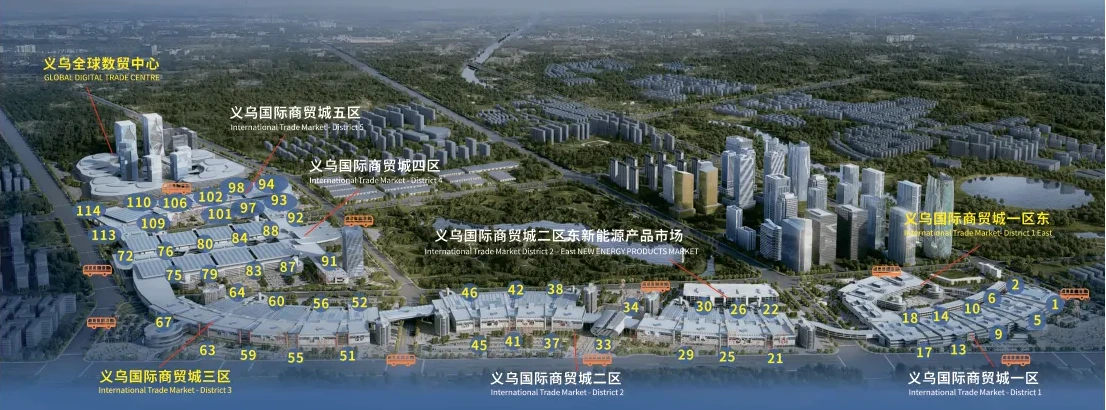
Find District 4 on the map
District 4 questions
Where should I start for socks and leggings?
Start with 1F and confirm the current supplier address. Bring a measurement sheet or reference sample and ask which sizes, colors and packing units the quote includes.
Where can I find shoes and towels?
The official directory places these categories on 3F. Confirm the actual booth before visiting and define your specification and assortment before collecting prices.
Which floor has underwear and scarves?
Use 4F as a starting point. Some relevant manufacturers also have direct-sales displays, so use the supplier’s full address rather than relying only on a category name.
Does “one size” mean the item will fit my customers?
Request actual measurements and the supplier’s intended size range. Review samples against your own fit requirements before approving the style; do not rely solely on the label.
Can I mix sizes and colors in one order?
Ask the supplier to quote your exact mix. Minimums or required ratios may apply per style, color or size. A total quantity does not fully describe the order.
Is the 5F shopping center the same as wholesale production sourcing?
Confirm the business and offer you are visiting. Ask about wholesale quantities, customization, supplier responsibilities and samples instead of assuming that a display price covers your production order.
How should I record a textile price?
Save the sale unit alongside the amount and currency, then record measurements, composition, assortment and packing. A price without those details is difficult to compare.
Can the PDF replace supplier location confirmation?
The PDF is an offline overview of the market. Use the interactive map for orientation and confirm the supplier’s current gate, floor and booth before visiting.
Sources & editorial notes
- Directory: Official Chinagoods District 4 introduction ↗
- Map: Lance District 4 map
- Download: Two-page market guide
Floor categories were checked against the official introduction on October 3, 2026. Product checks and routes are Lance editorial guidance. Confirm current booth locations, specifications, assortments and order terms with individual suppliers. The PDF is an offline reference.

Practical guidance from the Yiwu market.